“If something happens to me” letter: what to include, with a free template
A short letter can save your family weeks of searching. What to put in an “if something happens to me” letter, a template to copy, and where to keep it safe.
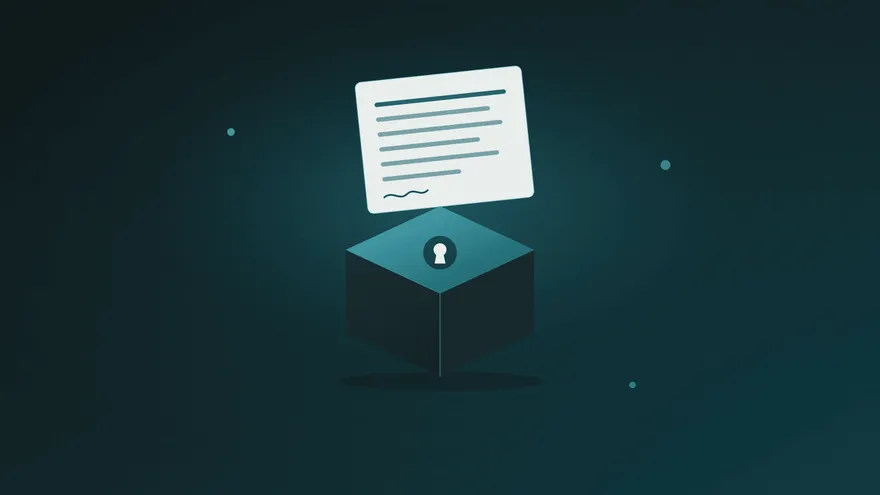
Most families do not struggle because nobody cared to plan. They struggle because the plan lived in one person’s head. Which bank holds the savings? Who is the accountant? Where are the house papers? What should happen to the dog?
An “if something happens to me” letter answers those questions in one place. It is not a legal document and it does not replace a will. It is a practical guide for the people you love, written in your own words, for the day they need to step in. That day might be a long hospital stay, an accident abroad, or simply a week when nobody can reach you.
This guide explains what to include, gives you a template to copy, and shows how to keep the letter private until it is needed.
Who the letter is for
Write it for the one or two people who would actually handle things: a partner, an adult child, a sibling, a business partner. If different people need different information, write a short letter for each rather than one long letter for everyone. Your business partner does not need your medical wishes; your sister does not need the company’s bank login.
What to include
Keep each section short. The goal is that someone under stress can find what they need in a minute.
1. Who to call first
Names and phone numbers of the people and professionals who should be told: family, your employer or clients, your doctor, your lawyer or notary, your accountant, your insurance agent.
2. Money and bills
Which banks you use and what each account is for, which bills are paid automatically, loans or mortgages, insurance policies and where the policy documents are, and any money others owe you or you owe them.
3. Home and everyday life
Who has spare keys, the alarm code, how to reach the landlord or building manager, pets and who should look after them, and plants, deliveries or appointments that need attention.
4. Digital life
The accounts that matter most: your main email, your phone, banking apps, cloud photos, and any subscriptions to cancel. This is where most plans fall apart, because passwords cannot simply be written into a letter that others might read. More on that below.
5. Important documents
Where to find your passport, birth and marriage certificates, property papers, car documents, tax records and, if you have one, your will.
6. Work or business
Who can cover for you, which clients or projects need attention, and how to reach your colleagues or co-founders. If you run a business, list the accounts that keep it running: domain, hosting, payment provider, accounting software.
7. Your wishes and a personal note
Anything you want the people you love to know. This part needs no structure at all. Many people say it is the most valuable page of the whole letter.
A template you can copy
Copy this into a document and fill in what applies to you. Leave out anything that does not.
IF SOMETHING HAPPENS TO ME
Written by: ____________   Last updated: ____________

1. Call first
   - Family: ____________ (phone ____________)
   - Doctor: ____________ (phone ____________)
   - Lawyer / notary: ____________
   - Employer or clients: ____________

2. Money
   - Main bank: ____________ (used for: ____________)
   - Savings / investments: ____________
   - Bills paid automatically: ____________
   - Loans / mortgage: ____________
   - Insurance (life, home, car): ____________, papers kept at ____________

3. Home
   - Spare keys: ____________
   - Pets: ____________ should look after ____________
   - Landlord / building manager: ____________

4. Digital
   - Main email: ____________
   - Phone and SIM: ____________
   - Password manager: ____________
   - Photos and documents in the cloud: ____________
   - Subscriptions to cancel: ____________

5. Documents are kept at: ____________

6. Work / business
   - Who can cover for me: ____________
   - Key accounts: ____________

7. A note for you
   ____________________________________________
Where to keep the letter
A letter like this has two jobs that pull in opposite directions. It must stay private while you are fine, and it must be easy to find on the day it is needed.
A drawer is easy to find for the wrong person and easy to forget for the right one. An email draft can be lost when an account is locked. Giving a copy to someone today means it can be read today.
A Parcel Rocket parcel is built for exactly this. You put the letter, and any passwords or files that go with it, into a parcel, choose who should receive it, and set a release date. Your parcel is encrypted on your own device before it is uploaded, so it stays private, even from us. We remind you 7 days, 3 days and 12 hours before the date, and moving the date takes one click. If the date ever arrives without you moving it, your recipients get a link and open the letter by answering questions only they can answer. They do not need an account.
Because each parcel has its own recipients, you can write one letter for your partner and a different one for your business partner, and each person only receives what is meant for them.
Keep it up to date
A letter that is three years old can do more harm than good. Review it twice a year, or whenever something big changes: a new bank, a new home, a new job, a new pet. Change the “last updated” date each time, so the reader knows how current it is.
Common questions
Is this the same as a will? No. A will is a legal document about who inherits what. This letter is a practical guide that helps people act quickly. The two work well together, and the letter can tell your family where your will is kept.
Should I put passwords in the letter? Only if the letter itself is protected. In a parcel it is encrypted and can only be opened by your recipient, so it is a sensible place for them. In a paper letter or an ordinary document, list which accounts exist and keep the passwords somewhere secure. Our guide to passing on your passwords to your family explains how.
Should I tell my family the letter exists? Yes. Knowing that a plan exists is a comfort in itself. Parcel Rocket can let recipients know about a parcel as soon as you create it, without revealing what is inside.
In short
Write down who to call, where the money and documents are, what to do about home, work and your digital life, and add a personal note. Keep it short, keep it current, and keep it somewhere private that can reach the right people when they need it. For a fuller list of what to cover, see our digital legacy checklist.