How to talk to your family about your digital plan
A plan only helps if the right people know it exists. How to start the conversation, what to say and what to keep private, without making it heavy.
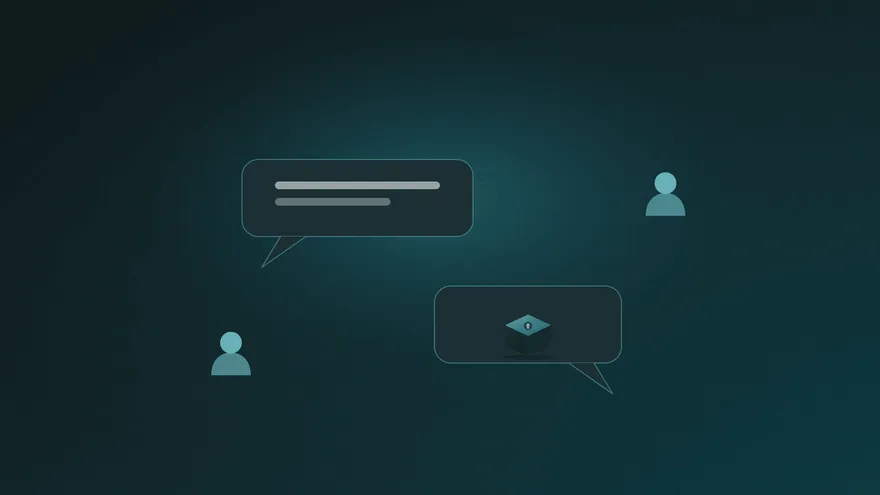
You have made a plan: the important accounts are listed, the passwords are somewhere safe, maybe you have written a letter. There is one step left that many people skip, because it feels awkward: telling your family.
A plan nobody knows about is only half a plan. Your family does not need to know your passwords. They need to know that a plan exists, roughly what it covers, and what to do on the day they need it. That conversation can be short, practical and even reassuring.
Why the conversation matters
- People look in the wrong places. Without a word from you, your family will search drawers, guess passwords and call banks, often for weeks.
- A surprise message is confusing. A link from an unfamiliar service, on a hard day, can look like spam or a scam. If they expect it, they will know what to do.
- They can tell you what is missing. Your partner may remember the insurance policy you forgot to list.
Choose a calm moment
Pick an ordinary day, not a hospital visit or the week after a difficult event. Natural openings include:
- updating your will or insurance;
- a news story about someone locked out of a relative’s accounts;
- setting up a new phone or password manager together;
- the start of a new year, when people sort out paperwork anyway.
Keep it light. You are not announcing bad news; you are sorting out household admin, like checking the smoke alarms.
What to say
You can cover everything in a few minutes. A simple structure:
- Why: “I want to make sure you would not be stuck if I were ever unreachable for a while.”
- What exists: “I have put together a list of our important accounts and a few instructions.”
- How they would get it: “If it is ever needed, you will get a message with a link, and you will open it by answering a few questions only you know.”
- What you need from them: “Just remember that this exists, and tell me if you think of anything I have missed.”
That is enough. Details can wait.
What not to share in the conversation
- Passwords and recovery phrases. The point of the plan is that these stay private until they are needed.
- The answers to your questions. If you use questions, make sure your family knows the topic, not the answer.
- More than each person needs. A business partner and a teenage child need very different things. It is fine to have separate conversations.
If you use Parcel Rocket
When you create a parcel, you can let your recipients know it exists straight away, without revealing what is inside. That gives you a natural way to start: “You will get an email about this; it is the plan I mentioned.” On the day it is needed, the message they receive will not come as a surprise.
A few tips that make it easy for them:
- Tell them the parcel will arrive as a link and that they will not need an account.
- Make sure they will recognise the questions. Our guide to choosing security questions has examples that work well for families.
- Consider printing an access sheet with the link and a QR code and keeping it with your important papers.
Different people, different conversations
- Your partner usually needs the broadest view: money, home, the household accounts.
- Adult children may need to know who to call and where the documents are.
- Ageing parents, if you are their helper, may need reassurance that the plan works for them too, and help setting up their own.
- A business partner needs a separate, practical conversation about company access. See what your team needs if the founder is unreachable.
Keep the conversation going
Mention the plan again when something changes: a new bank, a move, a new job. Once a year is plenty. Each time, it gets easier, and it becomes just another part of running a household.
In short
You do not have to share secrets to share a plan. Choose a calm moment, explain that a plan exists, how they would receive it and what to do, and keep passwords and answers private. If you have not made the plan yet, start with our digital legacy checklist.